


Acer Nitro 5 N50-650 Gaming Dekstop Intel i5-13400F 16GB RAM 512GB SSD RTX 4060
Product SKU : ARL01125-794- Pro Refurbished
- RAM: 16 GB / Storage: 512 GB
- NVIDIA RTX 4060 With 8GB Memory
Product Description
Reasons to buy Acer Desktop:
|
What's Included-
- Acer Nitro 5 N50-650 Gaming Dekstop Intel i5-13400F 16GB RAM 512GB SSD RTX 4060
- Power Cable
- 12 Months Warranty
Features-
Unleash smooth, high-FPS gameplay and fast multitasking with the Acer Nitro N50-650, built for gamers who demand performance without compromise. Powered by the latest Intel processor and NVIDIA graphics, this desktop is ready for gaming, streaming, and content creation right out of the box.
-
Processor: Intel Core i5-13400F – 10 cores of fast, efficient performance
-
Graphics: NVIDIA GeForce RTX 4060 – Stunning ray tracing, DLSS 3, and smooth 1080p/1440p gameplay
-
Memory: 16GB DDR4 RAM – Seamless multitasking and fast load times
-
Storage: 512GB NVMe SSD – Ultra-fast boot and quick game/app launches
-
Connectivity: Multiple USB ports, HDMI/DisplayPort for multi-monitor setups
-
Design: Sleek gaming chassis with LED accents and efficient cooling
Specifications:
| Brand | Acer |
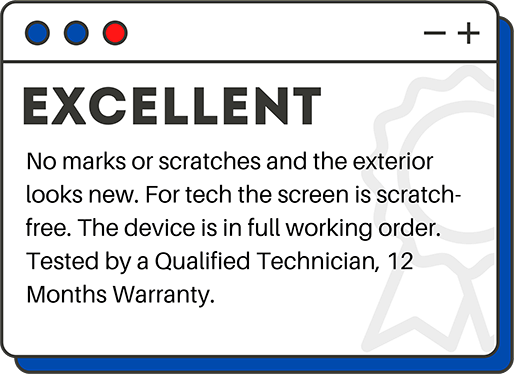
| Grade | Excellent |
| Colour | Black |
| Model | DG. E3GEK.00U |
| Type | Desktop |
| Warranty | 12 Months Warranty |
| Operating system | Windows 11 Home |
| Storage | |
| Processor speed | 4.6GHz |
| Graphics card | NVIDIA RTX 4060 8GB |
| Ram size | 16 GB |
| Optical drive | No |
| USB ports | Yes |
| Bluetooth | Yes |
| Connectivity | WI-FI, Bluetooth, Ethernet |
| Features | WI-FI, LAN, Bluetooth, RTX 4060 |
FAQ
How long will a gaming PC last?
The lifespan of a gaming PC can vary depending on several factors, including the quality of the components, usage patterns, and maintenance. A well-maintained gaming PC can last for around 3-5 years before it needs upgrading or replacement, while some high-end systems can last longer.
One of the primary factors that affect the lifespan of a gaming PC is the quality of its components. Gaming PCs require high-quality components, such as a powerful CPU, GPU, and plenty of RAM, to handle the demands of modern games. High-quality components from reputable brands are generally more durable and have a longer lifespan. However, if the gaming PC has low-quality components, it may require replacement or upgrades sooner than expected.
Usage patterns can also impact the lifespan of a gaming PC. Computers that are heavily used for gaming or other demanding tasks may wear out sooner than those used primarily for basic tasks like web browsing and word processing. Gaming PCs generate a lot of heat, so proper cooling is essential to prevent damage to the components. Regular maintenance, such as cleaning the computer and checking the cooling system, can help to extend the lifespan of a gaming PC.
Which PC is best for gaming?
When it comes to gaming PCs, there is no one-size-fits-all answer as the best option for you will depend on your specific needs and budget. However, there are a few key components to consider when looking for a gaming PC.
The first component to consider is the graphics card (GPU), as it is the most important component for gaming performance. A powerful GPU will allow you to play games at high resolutions and frame rates, providing an immersive gaming experience. Some of the top GPU brands for gaming include Nvidia and AMD.
The CPU (Central Processing Unit) is also an important component to consider for gaming, as it affects the overall performance of the computer. Intel and AMD are the top brands for CPUs, with Intel typically providing slightly better performance in gaming applications.
In addition to the GPU and CPU, other important components for gaming include RAM, storage, and cooling. A minimum of 8GB of RAM is recommended for gaming, with 16GB or more providing better performance. A solid-state drive (SSD) is also recommended for faster loading times and better overall performance. Finally, proper cooling is essential for gaming PCs, as high-performance components generate a lot of heat.
Is PC gaming more powerful than console?
Gaming PCs generally have more powerful hardware than consoles. This means that games can be played at higher resolutions and with better graphics, providing a more immersive gaming experience. Additionally, PC gamers can upgrade their hardware over time, allowing them to keep up with the latest technology and maintain high performance. Secondly, gaming PCs offer more flexibility and customization options than consoles. PC gamers can choose from a wide range of games, including many that are not available on consoles. They can also customize their hardware and software to their liking, such as adding a specific keyboard and mouse or using different software to enhance their gaming experience. Finally, gaming PCs are generally more versatile than consoles. In addition to gaming, they can be used for other tasks such as work, web browsing, and media consumption. They also offer more options for multiplayer gaming, such as playing with friends online or on a local network.
What specs should I look for in a gaming computer ?
When it comes to gaming, the most important specs to look for in a computer are the CPU, GPU, RAM, storage, and cooling. Here is a breakdown of what to look for in each component:
CPU (Central Processing Unit): A powerful CPU is important for gaming as it affects the overall performance of the computer. The best CPUs for gaming are Intel Core i5 or i7, or AMD Ryzen 5 or 7.
GPU (Graphics Processing Unit): The GPU is the most important component for gaming, as it is responsible for rendering images and videos. Nvidia GeForce and AMD Radeon are the top GPU brands for gaming.
RAM (Random Access Memory): Gaming requires a minimum of 8GB of RAM, with 16GB or more recommended for optimal performance.
Storage: A solid-state drive (SSD) is recommended for gaming as it provides faster loading times and better overall performance. A hard disk drive (HDD) can also be used for additional storage.
Cooling: High-performance components generate a lot of heat, so proper cooling is essential for a gaming PC. Liquid cooling systems or fans can help keep the components cool.
Other components to consider include the motherboard, power supply, and peripherals such as a gaming keyboard and mouse. When choosing a gaming PC, it's important to consider your budget and the types of games you will be playing.
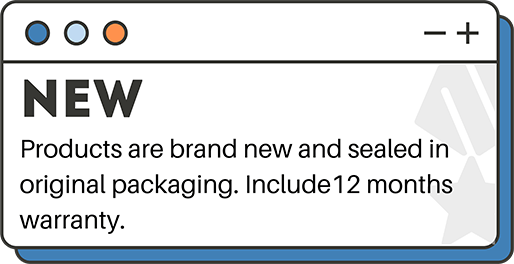
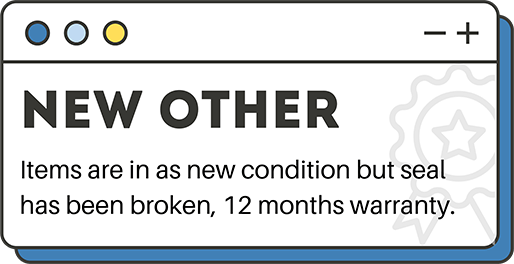
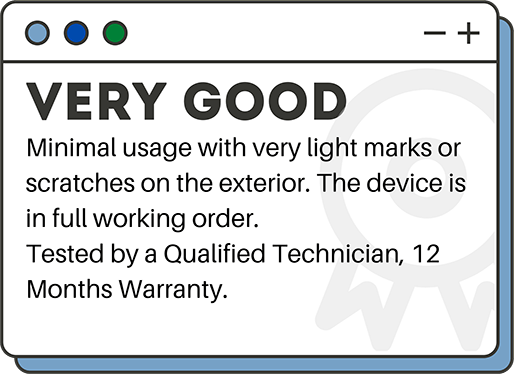
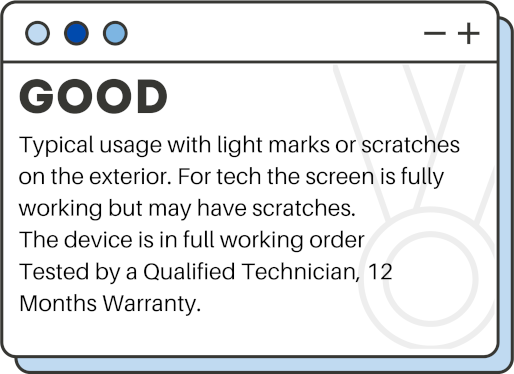
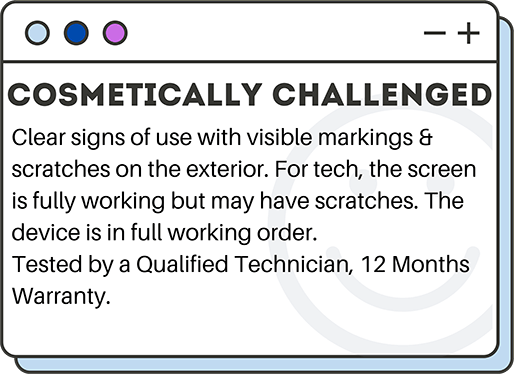
Grading Explained

Related Products



iiyama XUB2792HSC-B5 ProLite 27 Inch Desktop Monitor TFT Screen 1920 X 1080


Brother ADS-4700W - document scanner - desktop - USB 3.0, LAN, Wi-Fi(n), USB 2.0 (Host)


